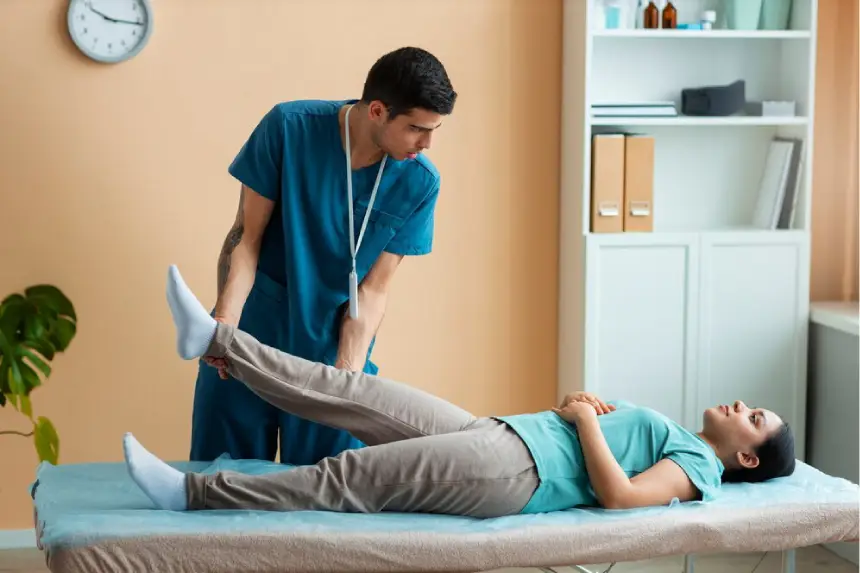
Are you one of the millions grappling with persistent pain or mobility issues? Musculoskeletal problems can turn everyday activities into daunting challenges. Whether it’s a nagging backache, aching joints, or sports injuries, these conditions impact not just your physical health but also your emotional well-being. Thankfully, advancements in physiotherapy are paving the way for innovative techniques that offer hope and relief.
At Medical Health Point, we understand that effective pain management is key to reclaiming a vibrant life. This blog will explore cutting-edge approaches designed to enhance rehabilitation and improve quality of life for those suffering from musculoskeletal disorders. Let’s dive into this journey towards better health together!
Understanding Musculoskeletal Issues: Causes and Effects
Musculoskeletal issues encompass a wide range of conditions affecting bones, muscles, tendons, and ligaments. These problems can arise from various factors such as injuries, overuse, aging, or underlying medical conditions like arthritis.
Poor posture and sedentary lifestyles also contribute significantly to musculoskeletal pain. When the body isn’t properly aligned or subjected to prolonged periods of inactivity, it can lead to chronic discomfort and decreased mobility.
The effects of these issues extend beyond physical pain. Individuals may experience reduced quality of life due to limited movement. This limitation often leads to frustration and mental health challenges like anxiety or depression.
Understanding these causes is crucial for effective treatment. Recognizing how they affect daily living allows for tailored interventions that address both physical symptoms and emotional well-being. By identifying the root causes early on, individuals can take proactive steps toward recovery and improved function.
Traditional Methods of Physiotherapy
Traditional physiotherapy has long been the cornerstone of rehabilitation and pain management. It often involves methods such as manual therapy, exercise prescription, and modalities like heat or cold packs.
Manual therapy focuses on hands-on techniques to manipulate muscle tissue and joints. This approach aims to alleviate pain and restore mobility while fostering a deeper connection between therapist and patient.
Exercise prescription plays a critical role in recovery. Tailored exercise regimens enhance strength, flexibility, and overall function. These programs empower individuals to take charge of their healing journey.
Modalities such as ultrasound or electrical stimulation may also be utilized for pain relief. They target specific areas of discomfort, offering temporary respite from chronic conditions.
While effective, traditional methods can sometimes fall short when addressing complex musculoskeletal issues. This limitation paves the way for exploring more innovative approaches in contemporary physiotherapy practices.
The Need for Innovative Techniques in Pain Management
Pain management has long relied on traditional methods, which often fall short in addressing complex musculoskeletal issues. Many patients experience limited relief and side effects from conventional treatments like medication or surgery.
Modern lifestyles contribute to an increase in chronic pain conditions. Factors such as sedentary behavior and stress have made effective treatment options more critical than ever.
Innovative techniques emerge as a necessity to bridge this gap. They focus on holistic approaches that treat not just the symptoms but also the underlying causes of pain. This shift encourages greater patient involvement and personalized care.
Techniques like dry needling, electrical stimulation, and virtual reality therapy represent just a fraction of this evolution in physiotherapy. Such advancements aim to enhance recovery efficiency while reducing dependency on medications and invasive procedures.
Patients deserve better outcomes tailored specifically for them, making innovation essential in today’s healthcare landscape.
Introduction to Innovative Physiotherapy Techniques
Innovative physiotherapy techniques are revolutionizing the way we approach pain management and rehabilitation. These cutting-edge methods move beyond traditional practices, offering patients new avenues for recovery.
From advanced manual therapies to modern modalities like dry needling and biofeedback, innovation is at the forefront of patient care. Each technique is designed to target specific musculoskeletal issues, enhancing healing while minimizing discomfort.
Additionally, technology plays a crucial role in these advancements. Virtual reality systems and wearable devices allow therapists to monitor progress closely. This data-driven approach ensures that treatments are tailored precisely to individual needs.
The focus shifts from merely alleviating symptoms to addressing root causes. By incorporating holistic strategies with evidence-based practices, innovative physiotherapy empowers individuals on their journey toward improved health and functionality.
Examples of Effective Innovative Techniques in Pain Management
One innovative technique gaining traction is dry needling. This method targets trigger points in muscles, promoting release and reducing pain. It’s a precise approach that can offer quick relief for chronic discomfort.
Another exciting advancement is the use of virtual reality (VR) therapy. Patients immerse themselves in controlled environments to distract from pain during rehabilitation sessions. It not only eases physical symptoms but also enhances motivation.
Bioelectrical stimulation employs electrical currents to alleviate pain and facilitate healing. By targeting specific areas, this technique encourages muscle recovery while minimizing reliance on medication.
Kinesiology taping has become popular among athletes and non-athletes alike. The method supports injured muscles without restricting movement, allowing individuals to stay active during recovery.
Mindfulness-based stress reduction combines psychological techniques with physiotherapy approaches for holistic healing. This integration fosters mental clarity, reducing the perception of pain effectively over time.
Rehabilitation and its Role in Improving Quality of Life
Rehabilitation is a vital process for individuals recovering from injuries or managing chronic conditions. It goes beyond mere physical recovery, encompassing emotional and psychological support as well.
A tailored rehabilitation plan can help restore mobility, strength, and function. This not only alleviates pain but also enhances overall well-being. When patients actively engage in their rehabilitation journey, they often experience a boost in confidence and motivation.
Specialized Care: Finding the Right Treatment for Your Needs
Choosing the right treatment for your musculoskeletal issues can be overwhelming. With numerous options available, it’s essential to focus on specialized care tailored to your specific needs.
Start by consulting with a healthcare professional who understands your unique situation. They’ll assess your condition and recommend an individualized plan that may include innovative therapy techniques or advanced pain management strategies.
Consider factors such as the severity of your symptoms and any previous treatments you’ve undergone. Different approaches work for different individuals, so what suits one person might not be effective for another.
Engaging in open discussions about your concerns is vital. This allows you to express what has or hasn’t worked in the past. Your feedback plays a crucial role in shaping an effective treatment plan designed just for you.
Embrace the journey toward recovery while remaining proactive about seeking out specialized care options at places like Medical Health Point.
Conclusion
Understanding musculoskeletal issues is crucial for anyone seeking to improve their quality of life. These conditions can stem from various causes, such as injuries, poor posture, or degenerative diseases. The effects often manifest in pain, limited mobility, and decreased functionality.